Home/Blog/Business Guide/How to Start a Wood Pressed Oil Business
How to Start a Wood Pressed Oil Business in India: Complete Guide (2026)
Wood pressed oil, also called chekku, ghani or cold pressed oil, is one of the simplest food businesses to start with a small team and a small space. This guide explains the machines, space, licences, investment and selling plan you need to start a wood pressed oil unit in India.
Key takeaways
- You can start with one oil rotary (chekku) machine, an oil filter and a few storage tanks in a small shop or shed.
- From 1 April 2026, food businesses with an annual turnover of up to ₹1.5 crore need only a basic FSSAI registration.
- Edible oil must be sold in sealed, labelled packs. Selling loose oil is not allowed.
- Edible oils attract 5% GST, and GST registration becomes compulsory once your turnover crosses the limit.
- Schemes such as PMEGP can cover 15–35% of the project cost of a new unit.
In this guide
- What is wood pressed (chekku) oil?
- Is this business right for you?
- Choose your oils and market
- Select the right machines
- Plan space, power and layout
- Licences and registrations
- Estimate your investment
- Funding and subsidies
- Seeds and production process
- Pack, label, price and sell
- Mistakes to avoid
- Frequently asked questions
What Is Wood Pressed (Chekku) Oil?
Wood pressed oil is made by crushing oil seeds slowly in a wooden or wood-lined mortar with a rotating pestle. Because the press turns slowly, the oil stays at a low temperature, and no chemicals or refining are used. The same method is called mara chekku in Tamil Nadu, gana in Karnataka, ganuga in Andhra Pradesh and Telangana, and ghani or kolhu in North India.
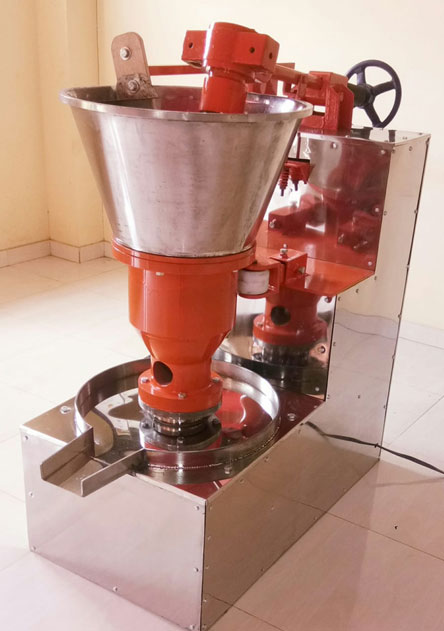
Today most units use a motor-driven oil rotary (chekku) machine. It works on the same slow-pressing principle as the traditional bullock-driven press, but needs far less labour and floor space.
Many families now look for unrefined oil that is pressed in front of them, and they are willing to pay more for it than for refined oil. That is why small wood pressed oil shops have opened in most cities and towns, and why it has become a popular first business in food processing.
Is a Wood Pressed Oil Business Right for You?
This business suits people who can give customers a steady supply of fresh, honest oil. It works especially well for:
- Farmers and farmer producer organisations (FPOs) who already grow groundnut, sesame or coconut.
- Shop owners and organic stores who want to make their own oil instead of reselling.
- First-time entrepreneurs looking for a small manufacturing unit that one family can run.
Your profit depends on three things: the price you pay for seed, how much oil you recover from it, and the price your local market will pay. Work out these numbers for your own town before you invest. Our team can help you plan.
Step 1Choose Your Oils and Your Market
Start with two or three oils that already sell well in your area, then add more once you have regular customers.
- Groundnut, sesame (gingelly) and coconut are the most common wood pressed oils in South India.
- Mustard is the main choice in North and East India.
- Sunflower, safflower, castor, flax seed and kalonji are smaller, specialised lines.
Next, decide how you will sell. A shop where customers can watch the oil being pressed builds trust quickly. You can also supply nearby grocery and organic stores, take monthly orders from apartments on WhatsApp, or sell to restaurants in bulk.
Step 2Select the Right Machines
A wood pressed oil unit needs only a few machines. The oil rotary machine is the heart of the unit; the others keep your oil clean and your work fast.
| Machine | What it does |
|---|---|
| Oil rotary (chekku) machine | Presses the seed slowly to extract the oil |
| Destoner / seed cleaner | Removes stones, dust and broken seed before pressing |
| Copra cutter | Cuts dried coconut into small pieces for coconut oil |
| Oil filter machine | Removes fine particles to give clear oil |
| Stainless steel storage tanks | Let the oil settle and store it safely before packing |
| Weighing, filling and sealing tools | Give accurate, sealed packs |
If you need higher output later, an oil expeller presses seed continuously and produces more oil per hour. Many mills run a chekku for premium wood pressed oil and an expeller for volume.
What to check before you buy
- Capacity: match the seed the machine can press in a day to the oil you expect to sell.
- Motor and power: confirm whether the motor needs a single-phase or three-phase connection.
- Build: look for a heavy frame and food-grade parts wherever the machine touches seed or oil.
- Service: ask about installation, operator training and spare parts. See our service support.
- Trial: ask for a demonstration with your own seed.
Step 3Plan Space, Power and Layout
Most small units begin in a single shop or a small shed. Whatever the size, plan separate, dry areas for five things: raw seed storage, pressing, settling and filtering, packing, and the sales counter.
- Choose floors and walls that are easy to wash, with good drainage and ventilation.
- Keep seed off the floor and away from damp walls to prevent mould.
- Store oil away from direct sunlight and heat.
- Check your electricity connection before ordering the machine, because the motor must match it.
Step 4Get Your Licences and Registrations
These are the registrations a small edible oil unit usually needs. Apply for the FSSAI registration first, because its number must be printed on every pack.
| Registration | Why you need it | Where to apply |
|---|---|---|
| FSSAI registration or licence | Compulsory for every food business. From 1 April 2026: basic registration for turnover up to ₹1.5 crore a year, State licence from ₹1.5 crore to ₹50 crore, Central licence above ₹50 crore. | FoSCoS portal |
| Udyam (MSME) registration | Free. Needed for most bank loans, subsidies and MSME benefits. | Udyam portal |
| GST registration | Compulsory once turnover crosses the limit (₹40 lakh a year for most sellers of goods, lower in some states). Edible oils are taxed at 5%. | GST portal |
| Trade licence / Shop and Establishment | Local permission to run the business from your premises. | Municipality or panchayat |
| Legal Metrology (packaged commodities) | Needed when you sell pre-packed goods. Packs must show net quantity, MRP and other declarations. | State Legal Metrology department |
| AGMARK (optional) | A voluntary quality grading mark that some buyers look for. | Directorate of Marketing and Inspection |
Step 5Estimate Your Investment
The total depends on the machine capacity you choose, your premises and how much seed you stock. Build your estimate under these four heads:
| Cost head | What it includes |
|---|---|
| Machines | Oil rotary machine, seed cleaner, oil filter, storage tanks, weighing and sealing tools |
| Premises | Rent advance, flooring, wiring, power connection, shelving and counter |
| Licences and branding | Registrations, label design, bottles or pouches, signboard |
| Working capital | Seed stock for the first few weeks, packing material, wages, electricity |
In a running unit the biggest regular cost is seed, not the machine. Keep enough working capital to buy good seed when prices are low in season.
A simple way to check your profit
The oil cake left after pressing sells as cattle feed, which recovers part of your seed cost. Compare your cost per litre with the selling price of wood pressed oil in your town to see your margin.
Machine prices depend on capacity, motor and material, so ask for a written quotation. Request a quote for your unit.
Step 6Arrange Funding and Subsidies
You do not have to fund the whole project yourself. Two central government schemes are commonly used for small oil units:
- PMEGP (Prime Minister’s Employment Generation Programme): for new units only. Manufacturing projects of up to ₹50 lakh are eligible, with a subsidy of 15% to 35% of the project cost depending on your category and whether the unit is in an urban or rural area. The bank finances the rest as a loan. Apply online through the KVIC PMEGP portal.
- PMFME (PM Formalisation of Micro Food Processing Enterprises): has offered micro food units a credit-linked subsidy of 35% of the project cost, up to ₹10 lakh per unit. The scheme’s term ran to September 2026 and a revised version was proposed, so check the current status on the PMFME portal or with your District Industries Centre before you apply.
For either scheme the bank will ask for a project report with machine quotations. We can provide quotations for the machines in your plan.
Step 7Source Good Seed and Set Your Process
Oil quality starts with the seed. Buy clean, well-dried seed directly from farmers or from a regulated market, and reject lots that smell musty or feel damp.
- Clean the seed and remove stones and dust.
- Cut copra into small pieces if you are making coconut oil.
- Press the seed in the oil rotary machine in batches.
- Settle and filter the oil until it is clear.
- Store it in covered stainless steel tanks, away from sunlight.
- Pack, seal and label the oil.
- Sell the oil cake to cattle feed buyers.
As a rough guide, units commonly plan on about 2.3 to 2.6 kg of groundnut kernels or sesame seed, or about 1.6 to 1.8 kg of good copra, for each litre of oil. Actual recovery depends on seed quality, moisture and the machine, so always run a trial with your own seed.
Step 8Pack, Label, Price and Sell
Edible oil has to be sold in sealed packs. Selling it loose from an open container is not permitted under food safety rules.
What your label must show
- Name of the oil and the list of ingredients
- FSSAI logo and your registration or licence number
- Net quantity and MRP (inclusive of all taxes)
- Batch number, date of manufacture and best-before date
- Name and full address of the manufacturer
- Nutritional information and the green vegetarian symbol
Ways to find customers
- Let customers watch the pressing and taste the oil at your shop.
- Offer 500 ml, 1 litre and 5 litre packs so new buyers can try a small quantity.
- Create a free Google Business Profile so nearby buyers can find you on Maps.
- Take repeat orders on WhatsApp and deliver monthly to apartments.
- Supply nearby grocery stores, organic shops and restaurants.
Common Mistakes to Avoid
- Buying the wrong size of machine. Too small limits your sales; too large ties up your money.
- Ignoring the power connection. Check single or three phase before you order.
- Compromising on seed. Poor seed gives less oil and a bad taste.
- Starting without working capital. You need money for seed and packing from day one.
- Selling without a label or FSSAI number. This can lead to penalties and lost trust.
- Skipping daily cleaning. Old oil and cake left in the machine spoil the next batch.
- Choosing a supplier with no service. A stopped machine means no sales.
Planning a Wood Pressed Oil Unit?
Sree A-Von Machineries builds oil rotary machines, oil expellers, filters, storage tanks and seed cleaners in Bengaluru, with installation guidance, operator training and spare parts.
Frequently Asked Questions
How much investment is needed to start a wood pressed oil business?
It depends on the machine capacity you choose, your premises and how much seed you stock. Plan under four heads: machines, premises, licences and branding, and working capital. Ask for a written machine quotation to complete your estimate.
Which licence is required for a wood pressed oil business?
You need an FSSAI registration or licence before you sell. From 1 April 2026, a basic FSSAI registration covers businesses with an annual turnover of up to ₹1.5 crore. You will usually also need Udyam registration, a local trade licence, Legal Metrology registration for packed goods, and GST registration once your turnover crosses the limit.
Is wood pressed oil the same as cold pressed oil?
Wood pressed oil is one type of cold pressed oil. It is pressed slowly in a wooden or wood-lined chekku. The term cold pressed is also used for oil extracted at low temperature in steel screw presses.
Which oil seeds are best to start with?
Start with the oils your local customers already use. Groundnut, sesame and coconut are the most common in South India, and mustard in North and East India.
Can I sell wood pressed oil loose?
No. Edible oil must be sold in sealed, labelled packs that carry your FSSAI number, net quantity, MRP, batch number and dates.
Is there a government subsidy for an oil mill?
New units can apply under PMEGP, which offers a subsidy of 15% to 35% of the project cost for manufacturing projects of up to ₹50 lakh. The PMFME scheme has offered micro food units 35% up to ₹10 lakh; check its current status before applying.
What is the difference between a chekku machine and an oil expeller?
A chekku or oil rotary machine presses seed slowly in batches for traditional wood pressed oil. An oil expeller presses continuously with a screw and gives higher output per hour.
This guide gives general information for people planning a small oil unit. It is not legal, tax or financial advice. Registration limits, tax rates and subsidy schemes change, so please confirm the current rules with the relevant authority or a qualified consultant before you invest.
Planning a New Unit?
Talk to our team for free advice on machines, capacity and layout.
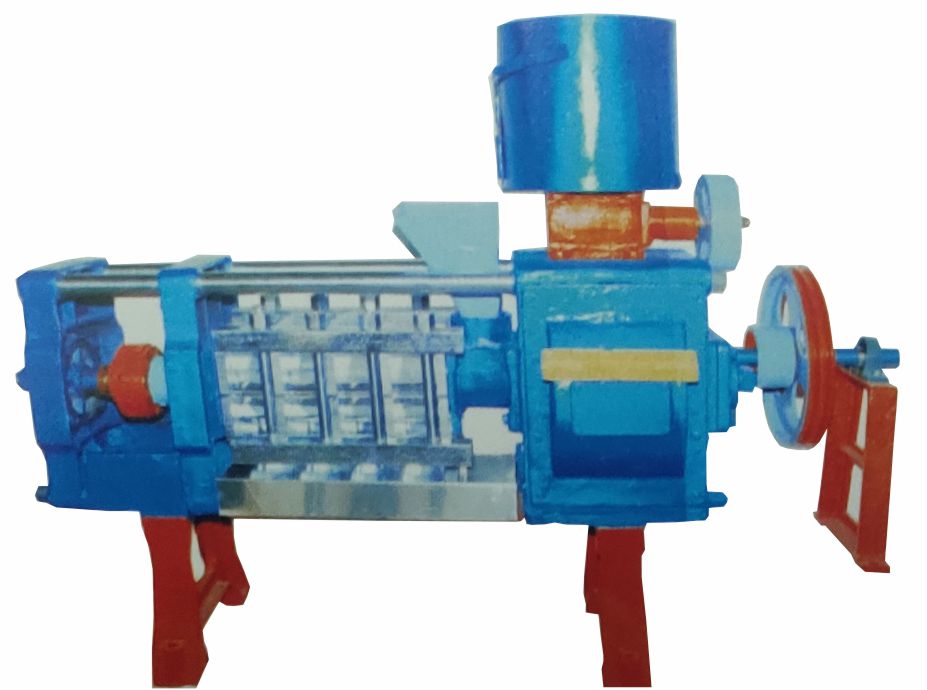
Continuous, high-output pressing for groundnut, copra, sesame and more.
Want to Visit Our Workshop?
See our machines working live in Bengaluru. Call us to book a time.